Neurons from ALS, FTD, and Alzheimer’s disease show increased sSNVs and sIndels
Joe identifies a shared mutational signature of 2-bp deletions in these samples (Zhou*, Luquette*, et al Cell, 2026; collaboration with the Chris Walsh lab)
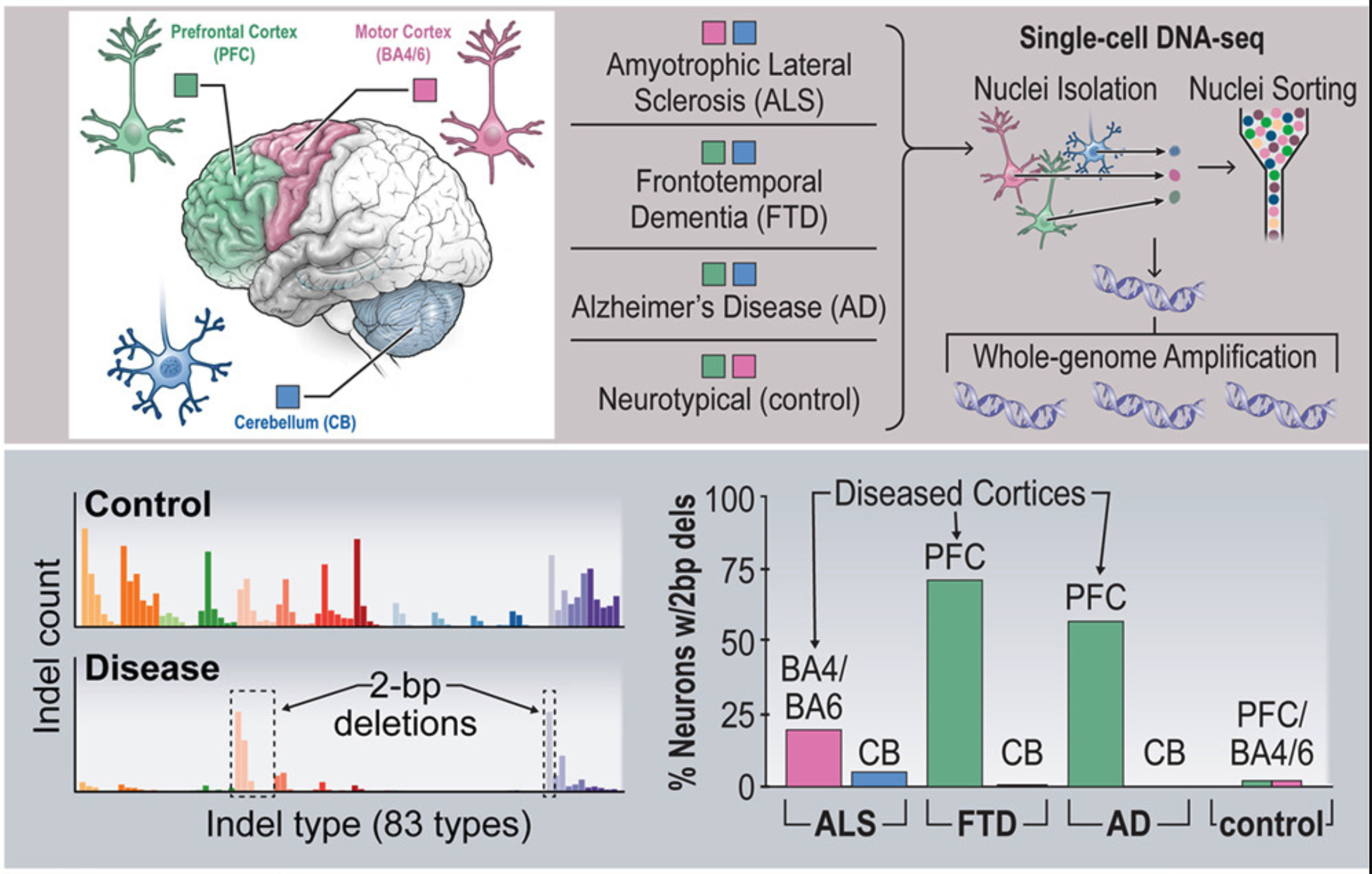
Joe identifies a shared mutational signature of 2-bp deletions in these samples (Zhou*, Luquette*, et al Cell, 2026; collaboration with the Chris Walsh lab)
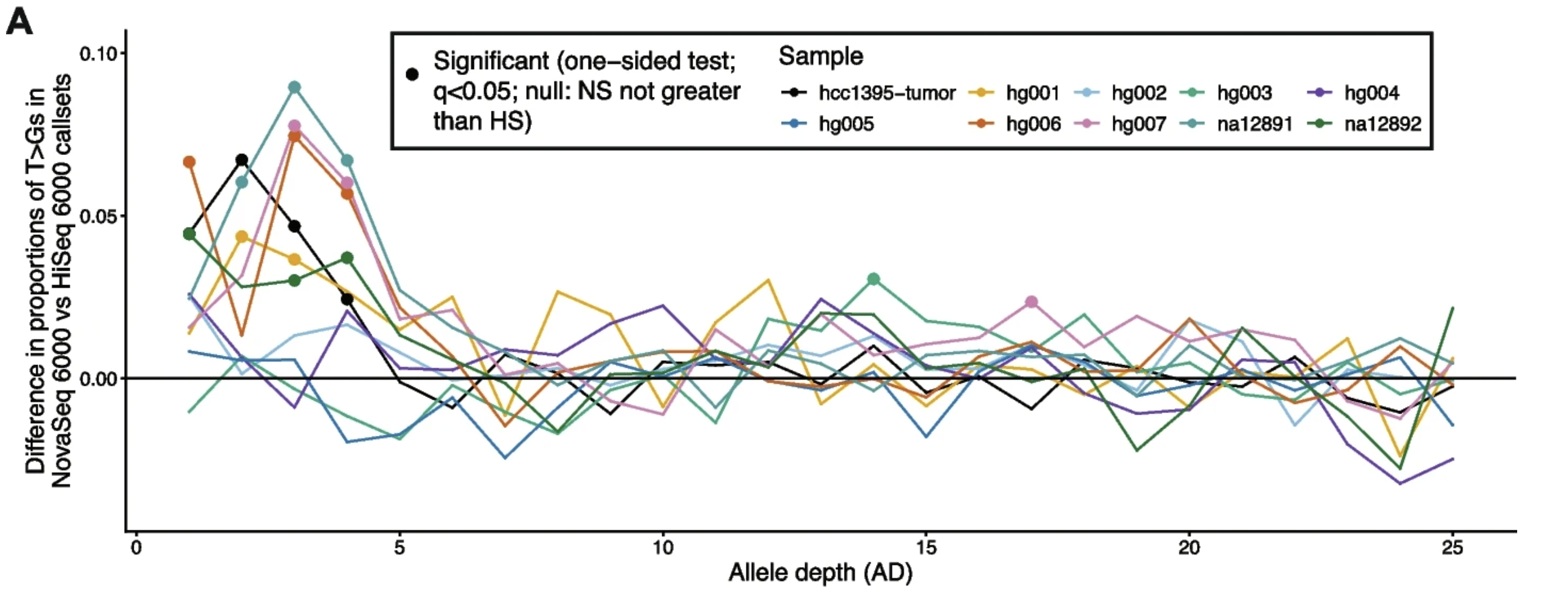
Beverly, Vinay, and Dominik identify artifactual T>G substitutions on Illumina two-color chemistry platforms
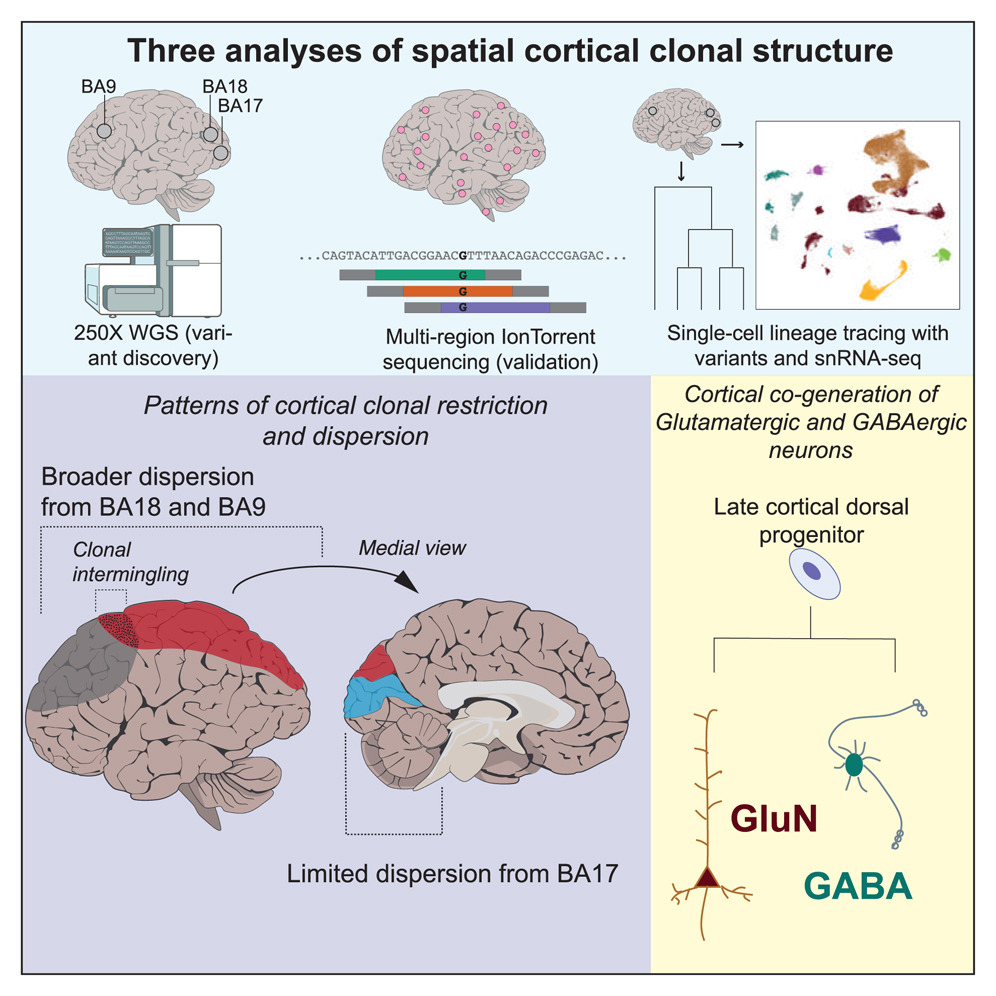
Vinay uses somatic mutations to track human cortical lineages (Cell Reports, 2025)
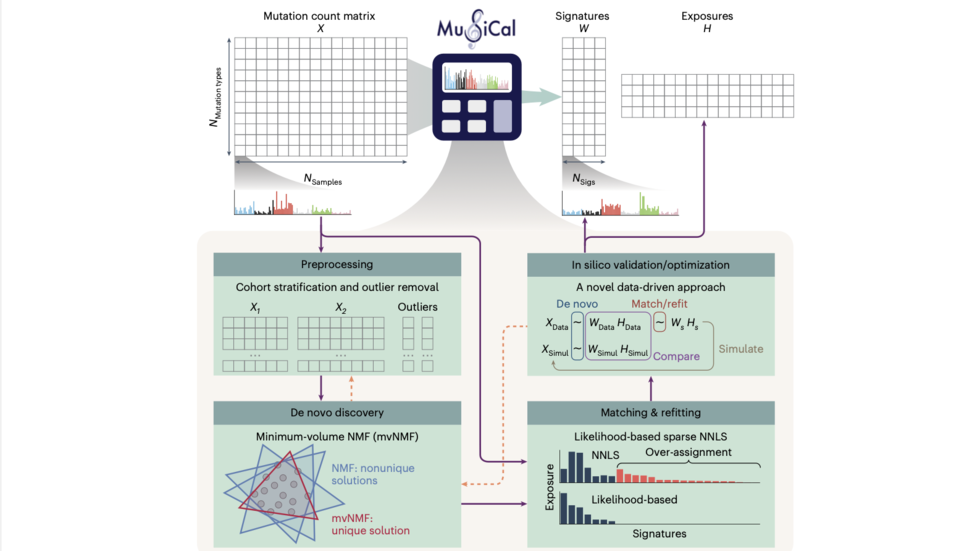
Hu and Doga describe MuSiCal (Mutational Signature Calculator) for analysis of somatic mutations (Nat Genetics 2024)
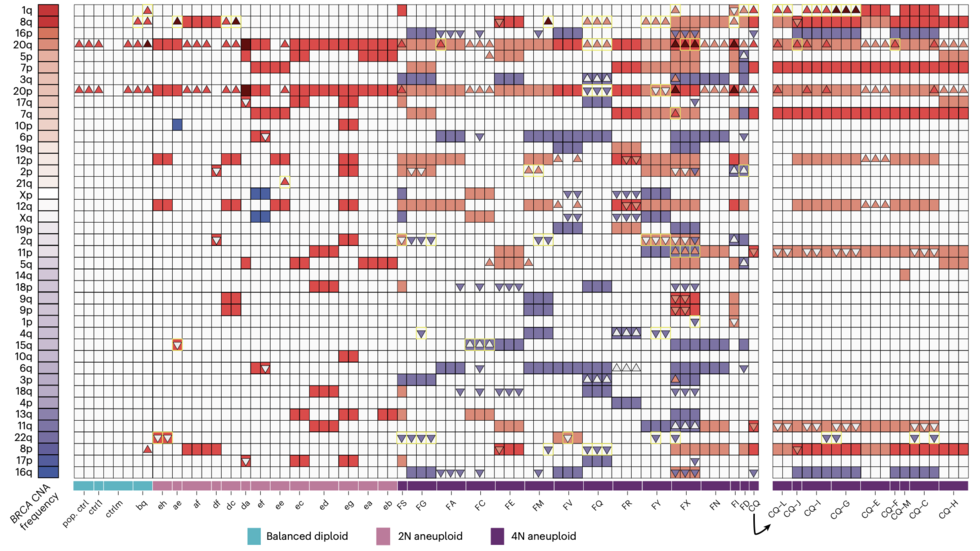
Chromosome evolution screens using single cell genome sequencing (Emma/Jake, Nat Genetics, 2024)
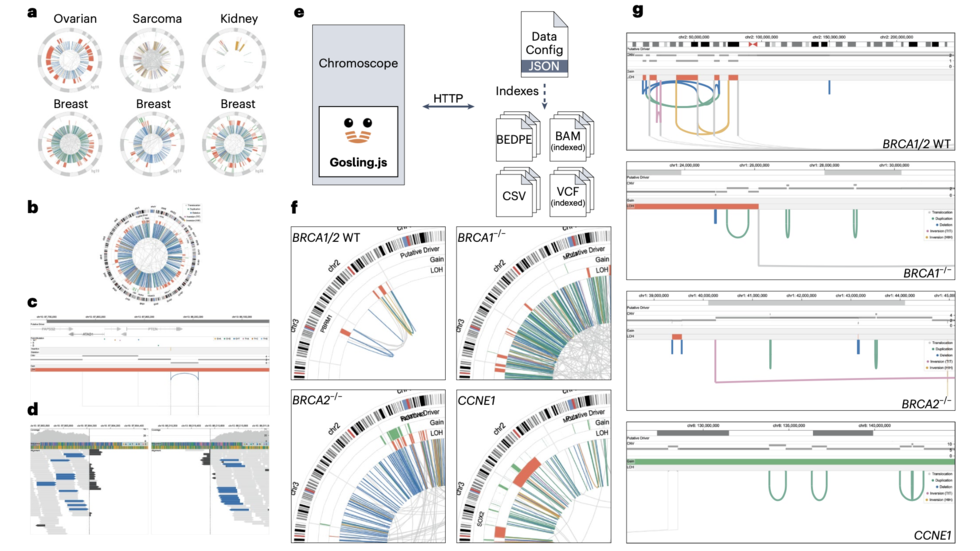
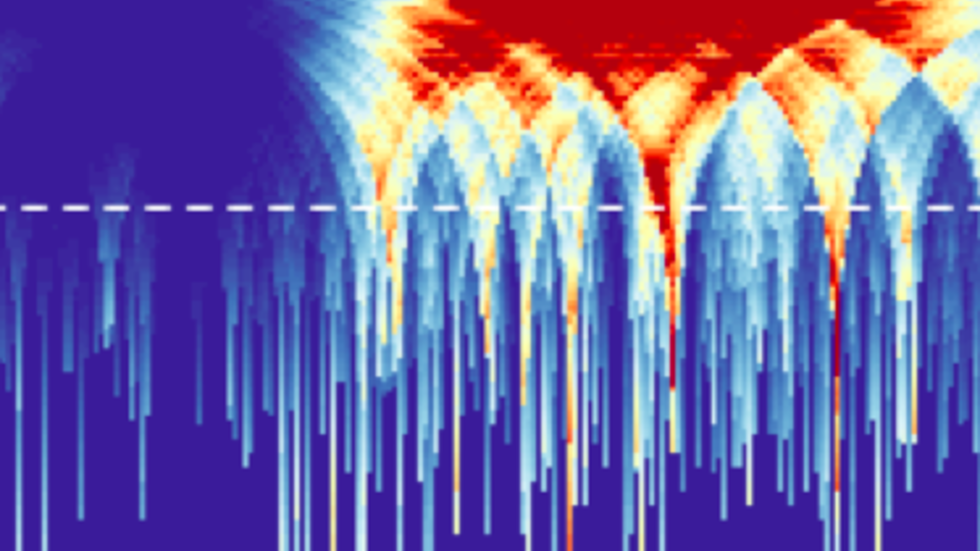
Interactive multiscale visualization for structural variation by Sehi and Dominik (Nat Methods, 2023)
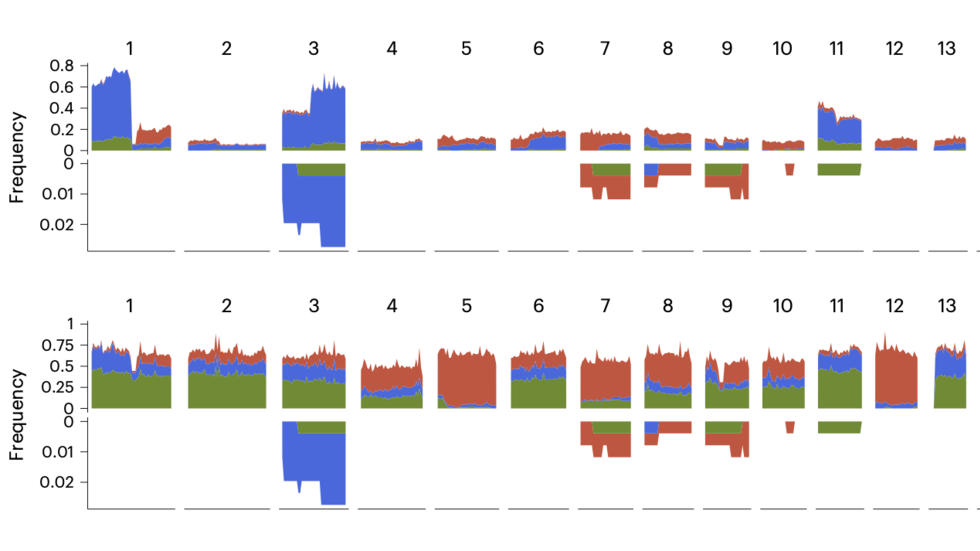
A pan-tissue survey of mosaic chromosomal alterations in 948 individuals (Teng/Kharchenko Lab, Nat Genetics, 2023)
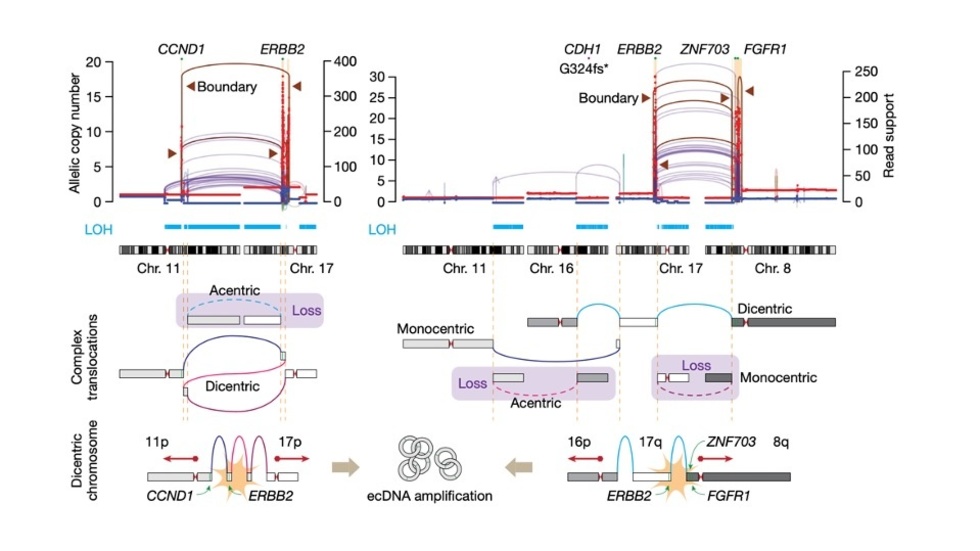
Jake discovers Translocation-Bridge Amplification that generates focal amplifications (Nature, 2023)
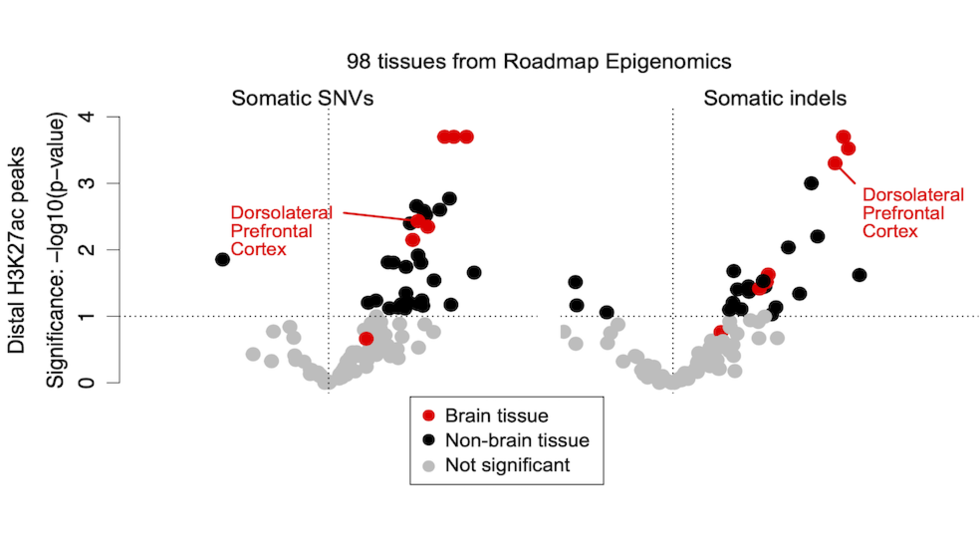
Joe finds enrichment of somatic SNVs and indels in regulatory elements (Nat Genetics, 2022)
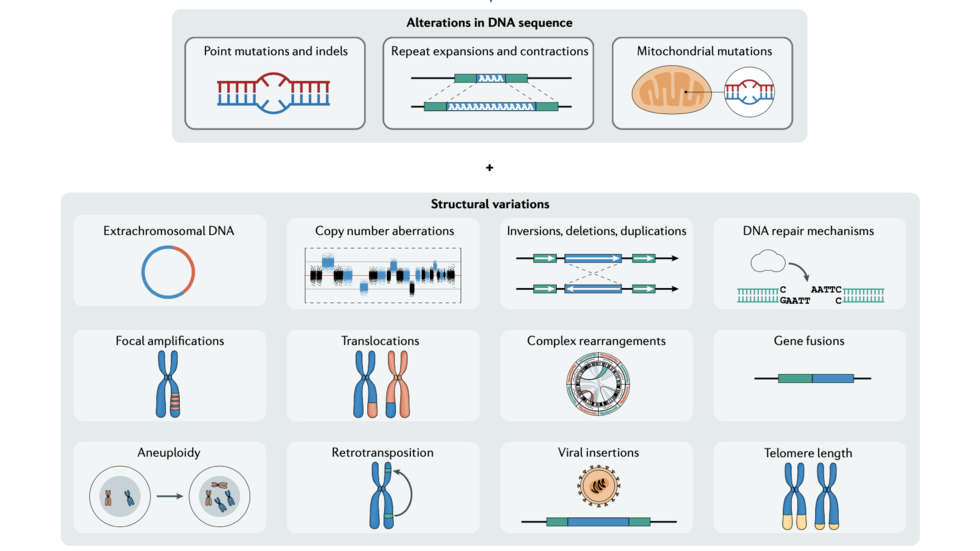
Isidro et al discuss recent advances in cancer genome analysis (Nature Reviews Genetics, 2022)
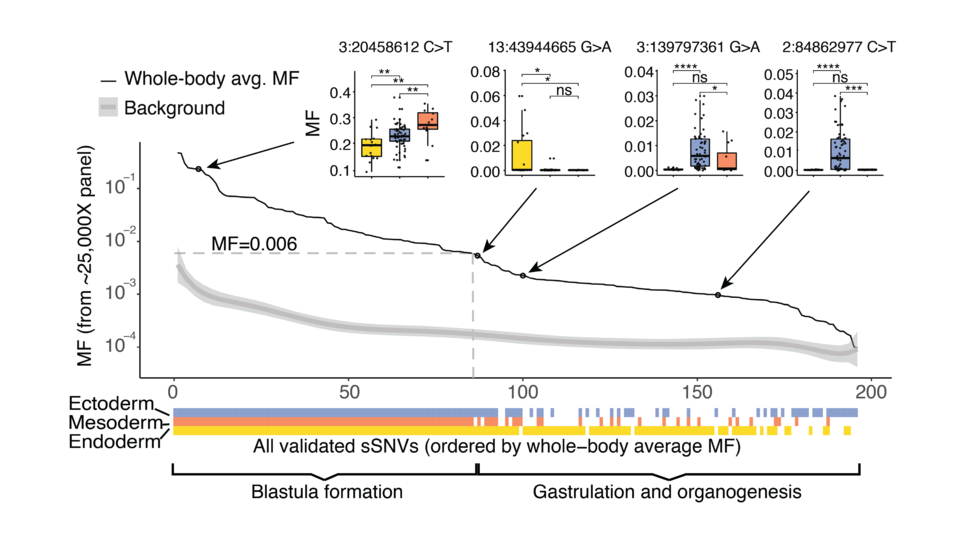
Mosaic variants in multiple organs resolve post-zygotic lineages (Science, 2021)
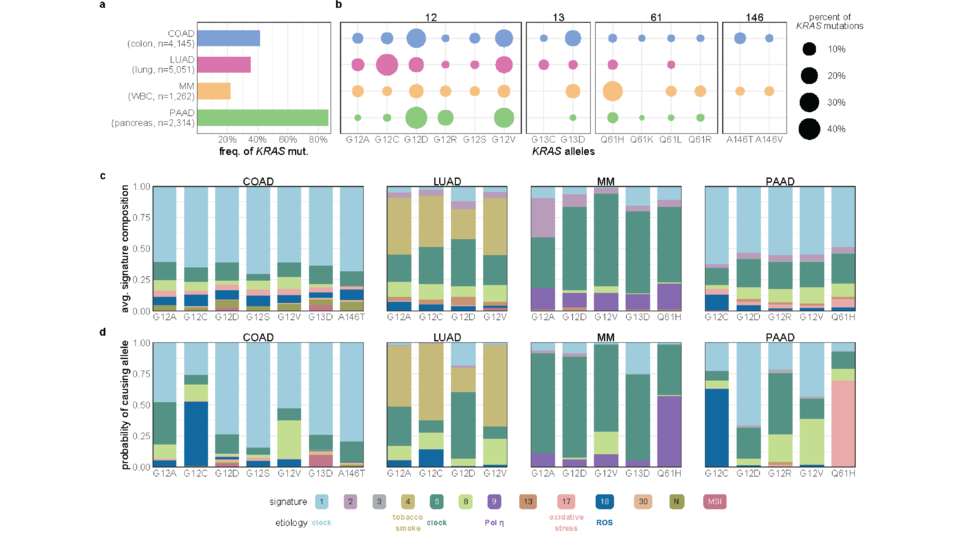
Analysis of KRAS mutations at the allele level using >13K samples (Nat Comm, 2021)
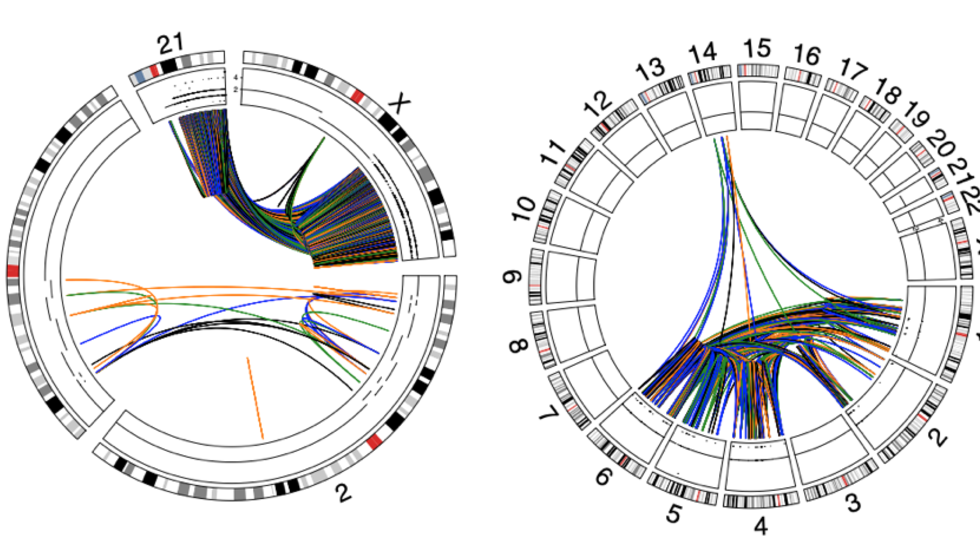
Analysis of >2500 cancer genomes shows that chromothripsis events are prevalent across multiple tumor types (Nat Genetics, 2020)
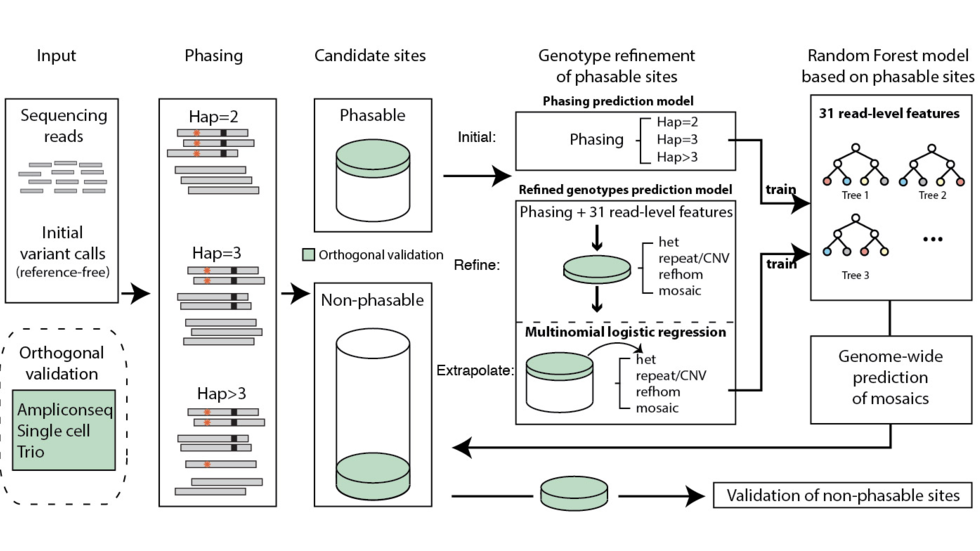
Yanmei et al develop MosaicForecast, a machine learning-based variant caller for mosaic mutations (Nat Biotech, 2020)
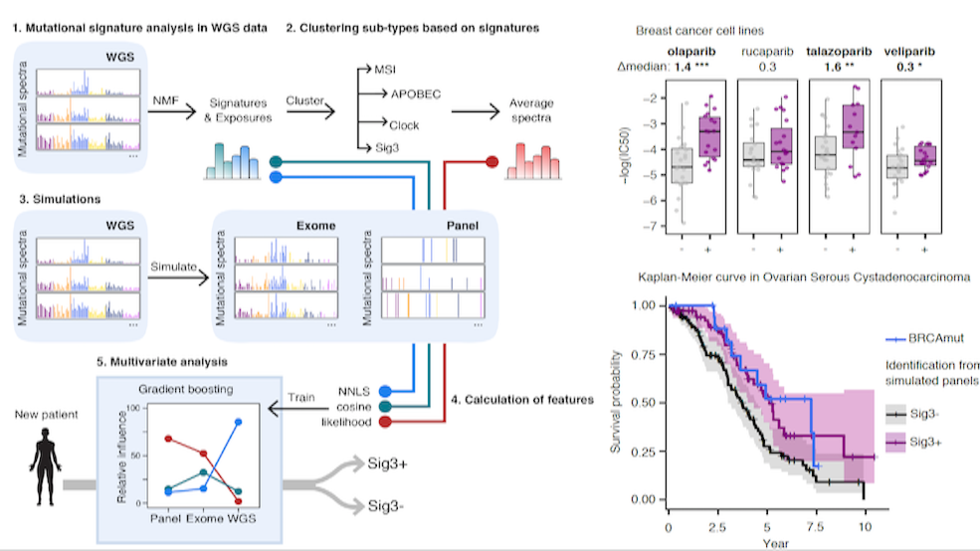
Doga et al develop SigMA to identify patients who may benefit from PARP inhibitor treatment (Nat Genetics, 2019)
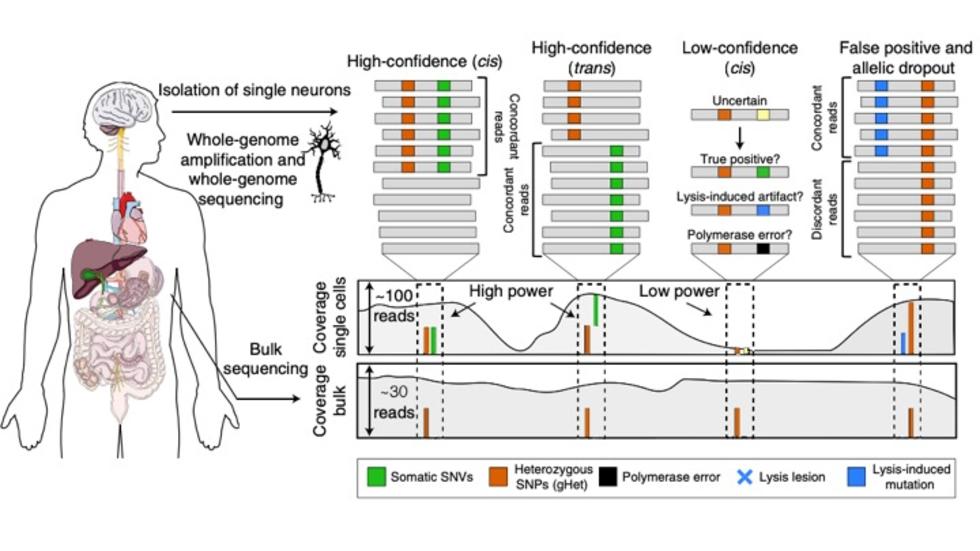
Craig develops a method for detection of somatic variants in single cells (Nat Genetics, 2019)
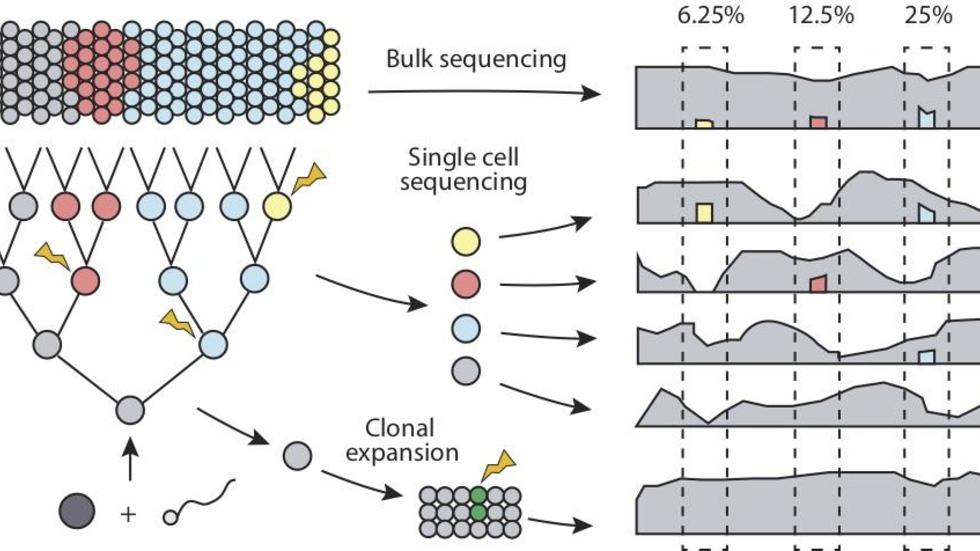
Yanmei, Heather, Joe, and Peter discuss issues in detection of somatic variants (Trends in Genetics, 2018)
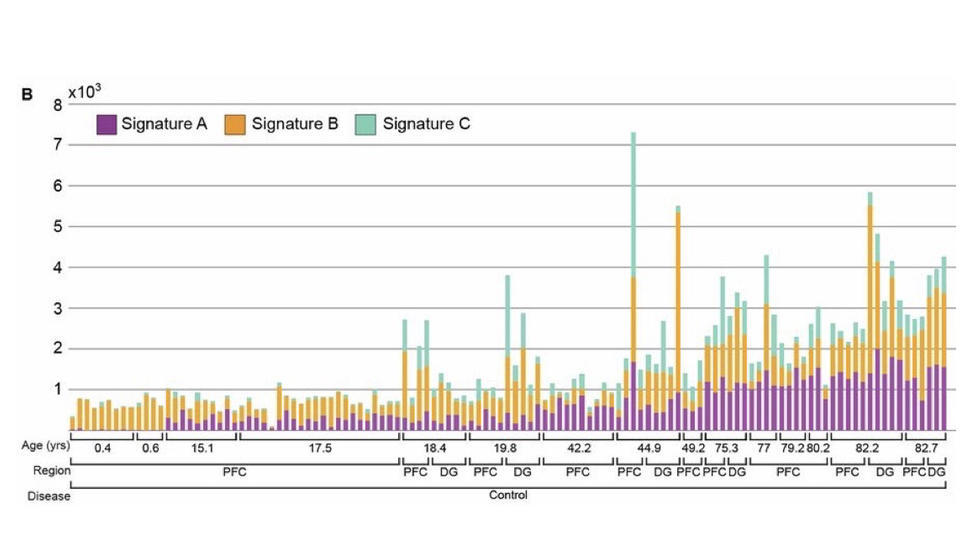
Analysis of the largest single cell WGS dataset to date (Science, 2018)
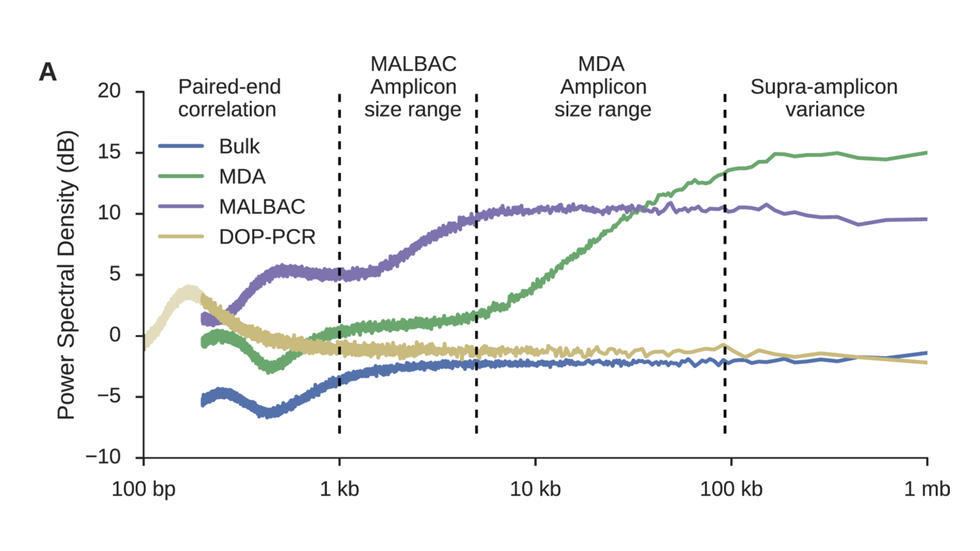
Sherman et al. (Nucleic Acids Research, 2017) develop a QC method based on power density estimation
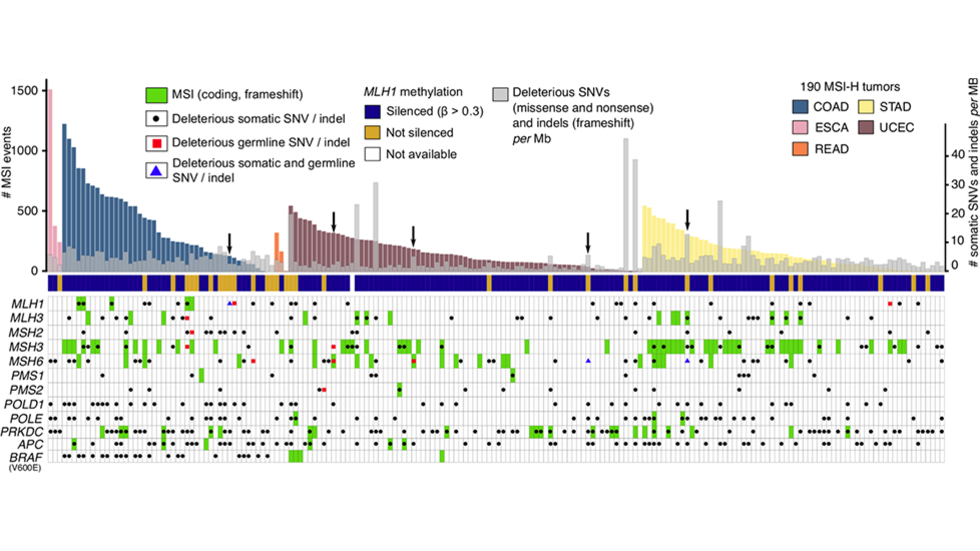
Cortes-Ciriano et al,Nat Comm, June, 2017
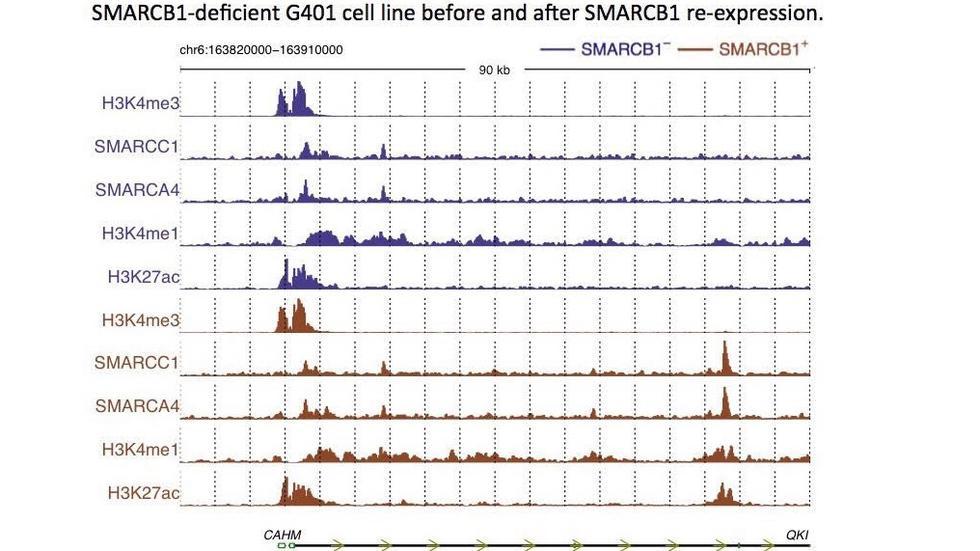
Three papers from a collaboration with the Roberts lab inNature GeneticsandNature Communications
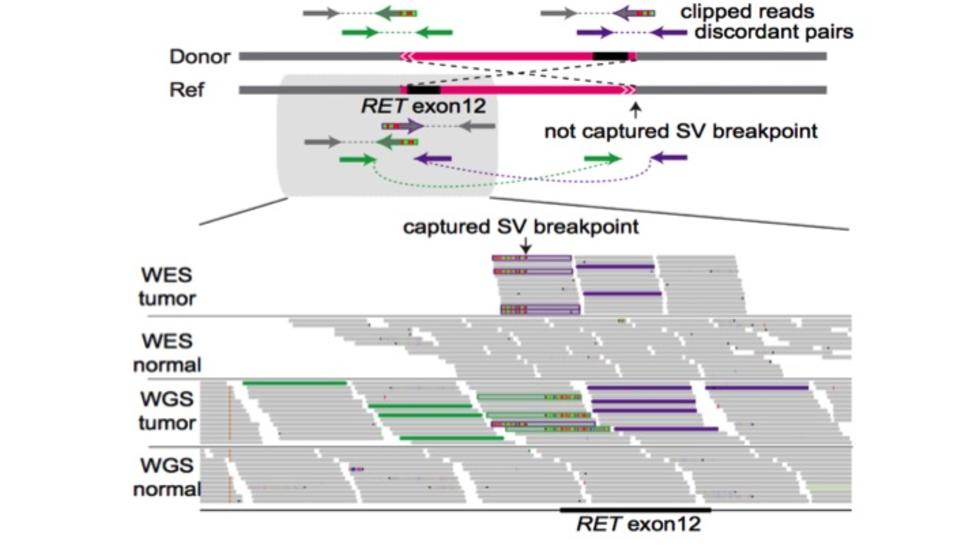
Yang et al (AJHG, 2016) analyze nearly 5000 cancer exomes and identify thousands of rearrangements.
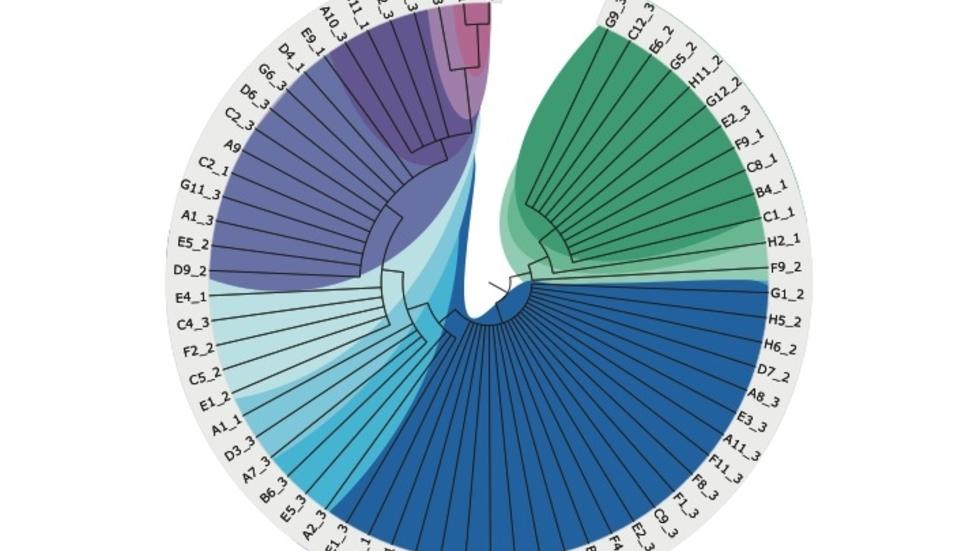
Lineage tracing of neurons using mutational analysis of single cell whole-genome sequencing data (Science, 2015; cover)
The Park lab, along with the Kharchenko and Gehlenborg labs at DBMI, are leading the Data Coordination and Integration Center
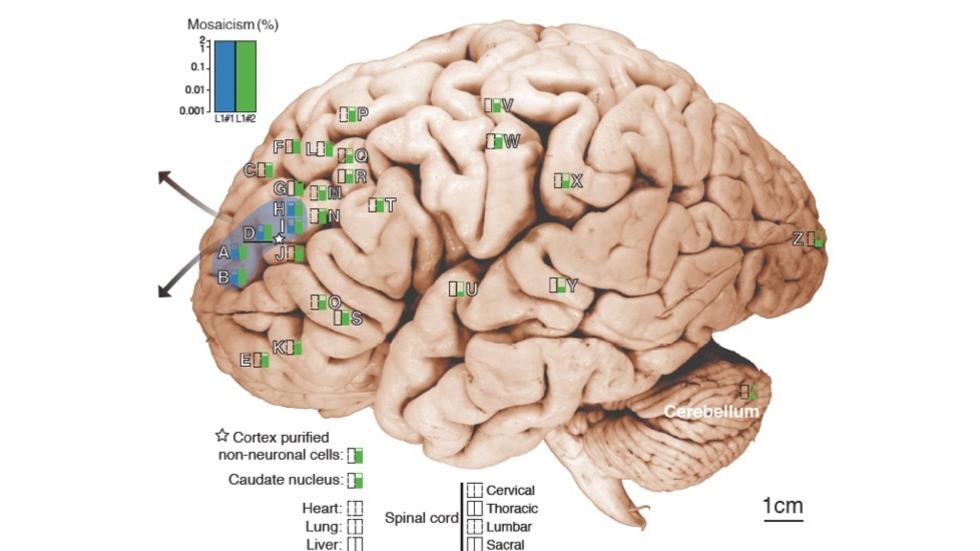
Gilad Evrony, Alice Lee, et al. inNeuron, 2015 (Collaboration with the Chris Walsh lab)
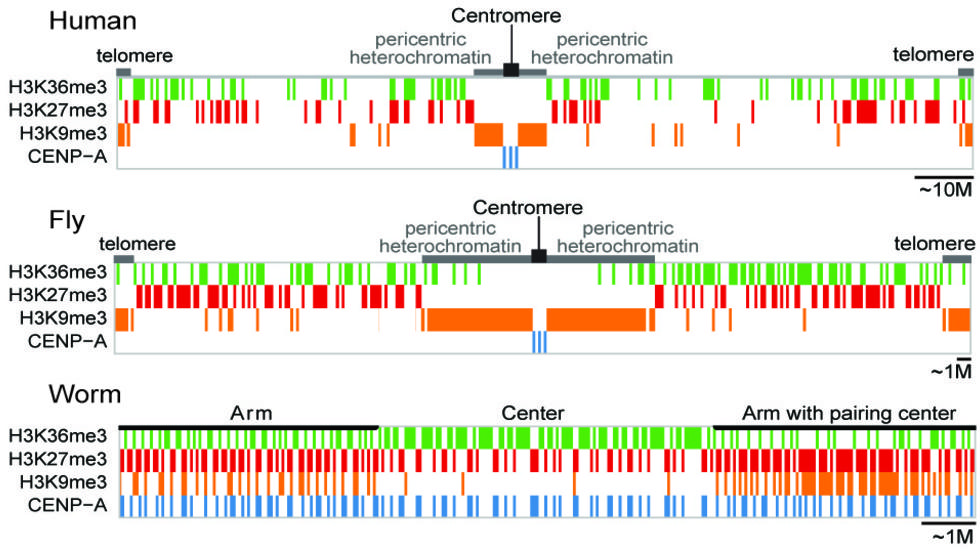
A cross-species analysis from the ENCODE and modENCODE consortia, led by Park lab members,Nature, 2014
We are a bioinformatics research group in the Department of Biomedical Informatics at Harvard Medical School. We are part of the Ludwig Center at Harvard, Division of Genetics at Brigham and Women’s Hospital and Harvard-MIT Division of Health, Science, & Technology.
Our main aim is to understand the genetic and epigenetic mechanisms that underlie disease processes through computational and statistical analysis of genomic data. We are particularly interested in mutational processes in normal and cancer cells and their impact in gene regulation.
We have the privilege of collaborating with a number of superb experimental laboratories at Harvard Medical School and its affiliated hospitals, as well as around the world. Our recent and current collaborators include Connie Cepko, George Daley, Steve Elledge, Konrad Hochedlinger, Mark Johnson, Mitzi Kuroda, Jordan Kreidberg, Bob Kingston, William Pu, Charlie Roberts, Chris Walsh, and Fred Winston.
Latest News
Oct 2026: Park Lab Hiking Trip 2026
Park lab went on its annual hiking trip over the long weekend and witnessed some beautiful fall views.
Oct 2026: Welcome Liz and Zofia!
Welcome Liz and Zofia! Park lab recently welcomed two new Associate Compuational Biologists, Liz Imhoff and Zofia Dudek. Liz completed a master’s degree in Computational Biology and Quantitative Genetics from Harvard T.H. Chan in 2025 after which she worked in the Leshchiner Lab at Boston University, analyzing cancer genomics data from individuals with CLL. Zofia completed an MS in Bioengineering and Biomedical Data Science at Stanford.
Sep 2026: Julia's Farewell
After nearly four years in the Park Lab, Julia returns to Germany to start a new adventure. Park lab will miss her hardwork, excitement, and ability to bring the whole team together. Farewell Julia!
Aug 2026: Cassie's Farewell
As the website updater today I am posting about my own farewell! Park lab gathered together to send me off after four years with the team. It is a very bittersweet feeling and I already miss the team so much. Wishing all of Park lab the best of luck!
Aug 2026: Welcome Daniel!
Park lab is excited to welcome BIG PhD student Daniel Feng to the team! Daniel graduated from the University of Illinois, Urbana-Champaign in 2025 with a Bachelor’s degree in Computer Science. As an undergraduate, he researched computational cancer phylogenetics, network clustering, and the probabilistic modelling of errors in microsatellite duplex sequencing. In the Park Lab, Daniel is developing algorithmic methods for analyzing and compressing different types of next generation sequencing data! Welcome Daniel!